Sewage Cleanup Services
Professional Sewage Cleanup in Vancouver
Sewage cleanup services in Vancouver are essential when sewer backups or overflows contaminate a home or property, creating serious health risks and property damage. Backups often occur when sewer lines become clogged, pipes are damaged, tree roots invade underground lines, or heavy rainfall overwhelms the local sewer system. Homeowners may notice unpleasant odors, slow drains, or wastewater backing up into sinks, toilets, or floor drains, all of which require immediate professional attention. Proper sewage cleanup begins by identifying and resolving the source of the problem, followed by safely removing contaminated water, thoroughly sanitizing affected areas, and repairing or replacing damaged materials as needed. Professional sewage cleanup in Vancouver ensures harmful bacteria and contaminants are safely removed, restoring the property to a clean, safe, and livable condition as quickly as possible.
contact us
Our Sewage Cleanup Process
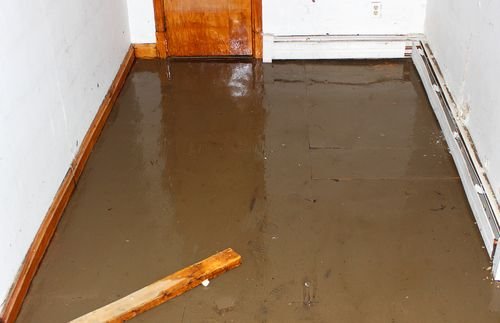
Our sewage cleanup process begins with a rapid response to assess the situation and stop the source of the backup to prevent further contamination and damage. Once the issue is contained, our technicians safely remove all sewage and contaminated water using specialized extraction equipment while following strict safety and sanitation procedures. We then thoroughly clean and disinfect all affected surfaces using professional-grade antimicrobial treatments to eliminate harmful bacteria and odors. After cleanup, high-powered drying and dehumidification equipment is used to remove lingering moisture and reduce the risk of mold growth. Any materials that cannot be safely restored, such as heavily contaminated drywall or flooring, are removed and replaced as needed. Throughout the process, our team monitors progress and ensures every impacted area is properly restored so your property is returned to a safe, sanitary, and comfortable condition.
Common Causes Sewage Backups
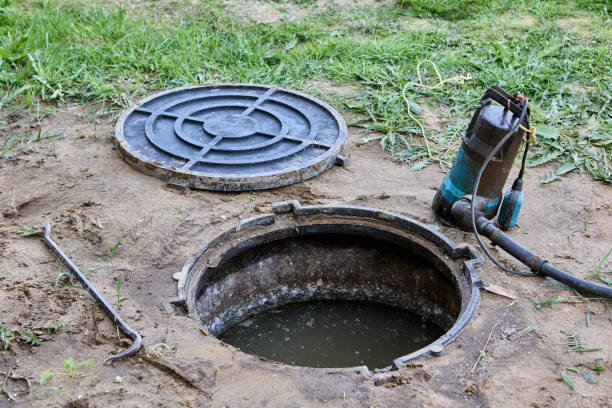
Sewage backups are commonly caused by blockages or failures within the sewer system that prevent wastewater from flowing away from a property. Clogged sewer lines from grease, wipes, paper products, or debris are a frequent cause, especially in older plumbing systems. Tree root intrusion can also break into underground sewer pipes, restricting flow and causing wastewater to back up into the home. Additional causes include damaged or collapsed pipes, heavy rainfall that overwhelms municipal sewer systems, and malfunctioning sump or sewage pumps. Identifying the underlying cause is essential to prevent repeat backups and protect the property from further damage. Watching for these common causes can prevent sewage backup in Vancouver.
Schedule Your Appointment Today!
We make scheduling your appointments simple and convenient through our user-friendly online booking system. Additionally, we offer 24/7 emergency services, so you can call us anytime, day or night. With Rossco Plumbing, accessing professional restoration services in Vancouver has never been easier or more reliable.
Frequently Asked Questions About Sewage Cleanup in Vancouver
Sewage backups can be caused by blockages in the pipes, damaged sewer lines, tree root intrusion, or overflows from municipal systems. Prevention includes regular pipe maintenance, avoiding flushing non-disposable items, and installing backflow prevention devices.
Signs of a sewage backup include unpleasant odors, slow or clogged drains, water pooling around floor drains, and visible waste backups in toilets or sinks. You might also notice gurgling sounds from the pipes or water damage in lower levels of your property.
Cleaning up sewage backup is hazardous due to exposure to harmful bacteria and contaminants. It is generally recommended to hire professionals who have the proper equipment and expertise to handle the cleanup safely and effectively, minimizing health risks and ensuring thorough sanitation.
Coverage for sewage cleanup varies by insurance policy. Many homeowners’ insurance policies cover damage from sewer backups, but specifics can differ. It’s important to review your policy and contact your insurance provider to understand your coverage and file a claim for the cleanup services.